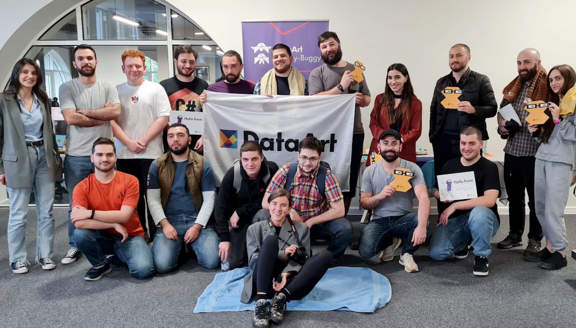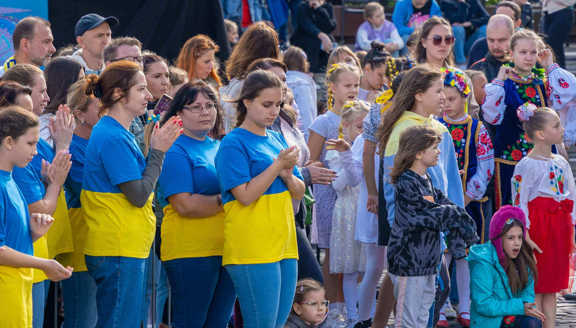

This article chronicles the process and results of our charitable endeavor “Support Ukraine,” and how our Agile methodology and automation have propelled its success. It is my hope our insights will be helpful to other charitable programs. By the way, we are ready to help those who also support Ukraine by setting up a workflow. Please, contact me if that is the case.
Setting the Stage for the “Support Ukraine” Initiative
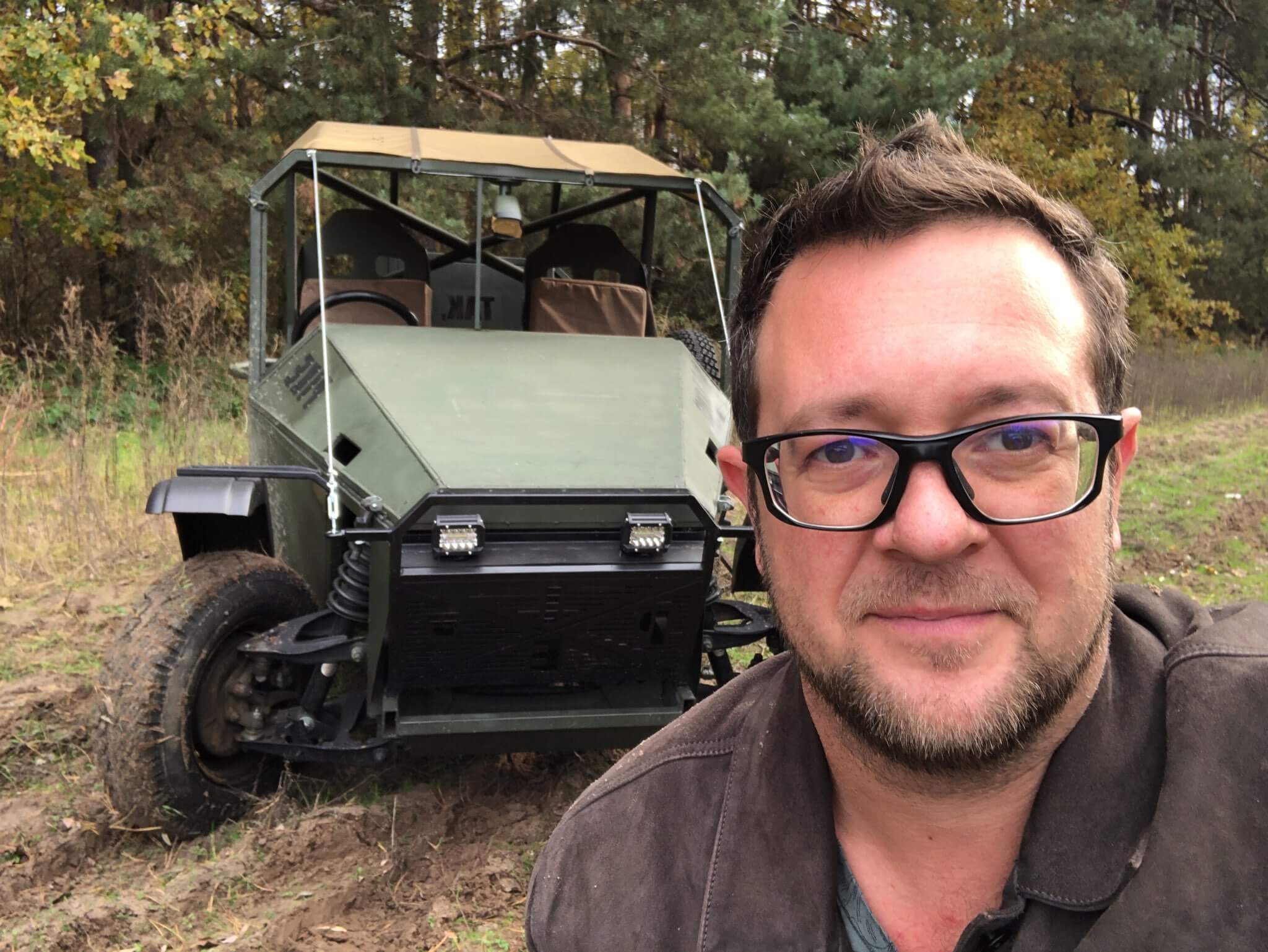
At the beginning of the war, my colleagues and I helped organize evacuation from Kharkiv. We helped over 1,500 people evacuate and supplied first-aid kits to the frontlines. After that I’ve founded “Pike”, my own project to build a buggy for the Armed Forces of Ukraine, with the help of a team of volunteers.
In the early stages, the volunteer movement at DataArt was on an individual basis. Many assisted war victims, organizing fundraising and aid campaigns.
Our company also actively helped Ukrainians from the war’s onset. DataArt, together with its partners, financed our people’s evacuation from Kharkiv and extended support for evacuating our colleagues our colleagues and their relatives from other cities, provided support to colleagues who were affected by the war, were in occupation or were called up for service, and the families of these colleagues.
In September 2022, DataArt’s management launched a comprehensive initiative called “Support Ukraine” to coordinate efforts to help Ukraine and Ukrainians and monthly allocate part of the company’s profits to this support, developed and published a corresponding policy, and appointed the Ukrainian Board working group.
Significant funds are already being supported by many Ukrainians and people from other countries. We wanted to take more responsibility and provide targeted assistance to refugees, people in de-occupied territories, hospitals, the military, and small projects that often don’t get public attention and don’t have access to sufficient funding. That is why, ultimately, we decided to drive the process ourselves.
We have collaborated with large foundations and supported projects by “You Are The Angel”, “Skhidniaki (Easterns)”, “Razom”, “U4UA”, “UNITED24”, “Children of Heroes”, “Relief Ship”, and others. Still, we try to pay more attention to small projects.
Crafting Impact through Agile Synergy
The “Support Ukraine” initiative operates with a dual-fold budget framework. The first part goes to community fundraising — DataArt and its partners match contributions raised by volunteers. The second part funnels into charitable organizations’ initiatives.
Our company does not initiate fundraising among colleagues but facilitates and amplifies the volunteers’ efforts. We collect volunteers’ requests, verify them within the company’s compliance policies, and prioritize and distribute them via corporate and external channels. DataArt and its partners match the contributions, effectively doubling the amount collected.
Central to this initiative is also the well-being of colleagues. DataArt maintained full compensation packages, benefits, and privileges for those joining the Armed Forces of Ukraine and Territorial Defense, supporting both them and their families. When the situation escalates, the support also includes payments to equip home workplaces with uninterrupted communications and generators during winter blackouts.
Collaborative Dynamics of the "Support Ukraine" Team
Two groups run the initiative:
- The Ukrainian Board is responsible for overall coordination, budget management, and decision-making. Comprising representatives from legal, compliance and accounting departments, as well as office heads, this team ensures strategic alignment. Colleagues from different locations augment this effort, fostering effective global communication.
I would describe my role as a Project or Delivery Manager. I do a bit of everything, including management and community fundraising, which I organized with a second group of colleagues involved in the initiative.
- The Community Fundraising Team functions as promoters, managing community fundraising, and report generation.
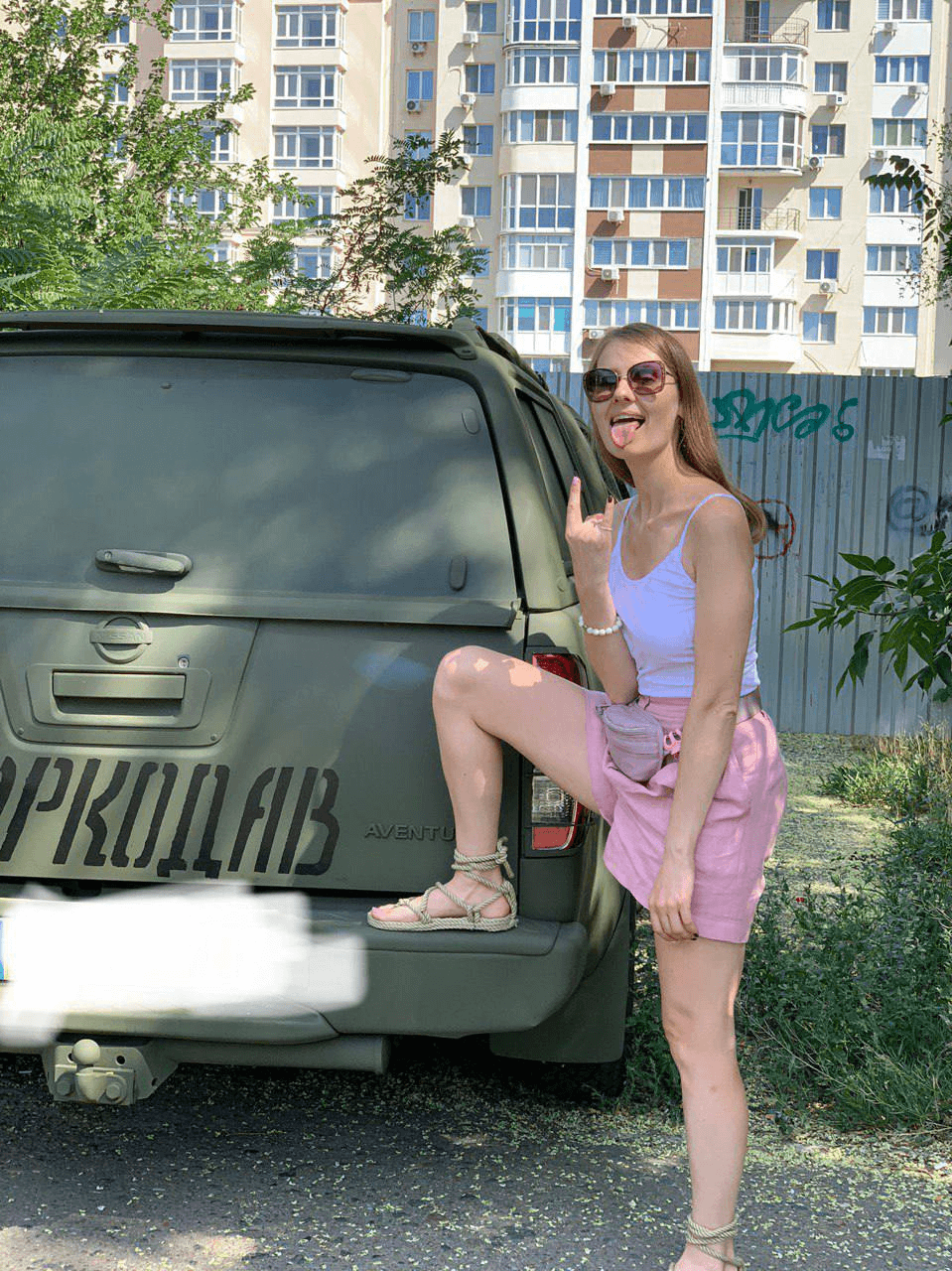
All colleagues from the Community Fundraising Team also work as volunteers and have already raised tens of millions of hryvnias to help Ukrainians. Anastasiia Mazur has held many lotteries aimed at supporting volunteer activities. Yuliia Kolkatova works for the “Syla voli” (“Power of Will”) foundation in Dnipro. Yuliia Sobol, a well-known volunteer in Odessa, provided dozens of vehicles for the Armed Forces of Ukraine and regularly helps units with seasonal ammunition and equipment.
An equally important part of the “Support Ukraine” team are the initiators of requests and fundraisers. These are our colleagues, volunteers who launch their own fundraisers and provide all the necessary information to receive additional funding from the company and its partners, as well as reports after the completion of the fundraisers and the transfer of funds to announced projects. To date, about a hundred volunteers have joined the initiative.
And finally, our donors are everyone who donates to our fundraisers, helps us move forward, and motivates us. Each of your hryvnias helps to save lives, alleviate suffering, restore housing, and bring our victory closer. Thank you.
About the Agile Methodology in Our Initiative’s Management
Our journey began with a regular Kanban board with three columns, where we tracked tickets with the 3–4 requests that we had on hand, but it evolved into a multi-stage flow guided by Agile principles. Our process now encompasses:
- Constant verification of requests
- Budget planning
- Requests prioritization
- Fundraising coordination with the support of corporate communication channels
- Company funds payment
- Disbursement of funds to recipients
- Comprehensive reporting
Our process is a mix of Kanban and Scrum practices that ensures we are steadfastly responsive to Ukraine's evolving needs. Our iterations and sprints are filled dynamically, and prioritization depends on external circumstances — the situation in the country and at the front.
Infusing Our Approach with Agile Attributes
Backlog
Our backlog is an endless list of requests from colleagues that is constantly updated. Requests are automatically registered and tagged with attributes: aid referral, aid category, request source — a colleague or charitable foundation. It helps us quickly navigate and prioritize them according to the actual needs of Ukrainians.
Planning
As part of the planning, we determine budgets by the amount of funds that DataArt and partners allocate to support Ukraine every month and prioritize areas of work. We select the most relevant requests from the backlog and focus our efforts in this direction.
Important prioritization factors are the situation in the country or specific regions, weather, and other conditions, i.e., force majeure. For example, before winter, we paid maximum attention to purchasing heating equipment and winter ammunition for the Armed Forces of Ukraine. During the blackouts, we took part in setting up the Punkty Nezlamnosti (Points of Invincibility) and purchased routers and access points for bomb shelters in schools.
As soon as the territories of the Kherson region were liberated, we first organized fundrasers to help Ukrainians in the de-occupied territories, as well as after the Kharkiv region liberation. During the aggravation of the situation in Bakhmut, we bought a lot of ammunition and dozens of cars for this direction. After the terrorist attack at the Kakhovska hydroelectric power station, funds were transferred for the purchase of motor boats for the State Emergency Service of Ukraine, and a large fundraser was launched to eliminate the consequences of the disaster.
Iterations and Sprints
We operate in monthly iterations tied to budget periods and use monthly planning to pay charities and match the amount raised by our volunteers. At the same time, we are working in weekly sprints — fundraising digests, which include several relevant personal initiatives of our volunteers and are distributed internally and to external audiences.
Our process is not pure Scrum; we do not have a clear fix on dates and sprints. Sometimes, we modify digests, and sometimes we extend them by adding new fundrasers to the current digest if most of them are closed but one or two large ones are still ongoing.
Our monthly iterations and weekly sprints run in parallel; we only release digest when we have enough budget to match all these fundrasers within a month.
Other Scrum Events
We hold daily scrum meetings (stand-ups) with the Community Fundraising Team, where we discuss the current situation, update ticket priorities, and analyze non-standard situations and ways to work with them.
At weekly grooming sessions with the Ukraine Board, we verify requests for compliance with the “Support Ukraine” initiative’s policy and discuss budgets and areas of work.
After the completion of each sprint and each iteration, we conduct retrospectives. We constantly strive to improve the process of the initiative and keep our finger on the pulse, answering three main questions: what was done, what was done well, and what could be done better next time.
Harvesting Efficiency Through Automation
Initially, we processed all requests manually. Changes in status, submission of supporting documents, reports, distribution of finances, getting into the digest, and prioritization — all these issues were discussed on calls in personal communication between promoters and fundraisers.
Automation has revolutionized our approach, optimizing processes and transparency. Currently, we have automated about 70% of the entire flow of processing requests from colleagues:
- Acceptance of request from our volunteers
Previously, we filled the backlog manually: we accepted requests through Microsoft Forms and created tickets in Jira. Now this process is fully automated.
- Electronic notifications system about the status and application processing
This is a multi-stage flow, where the request is verified, digested for distribution to colleagues and through the company's external channels, reserved and then allocated a budget, and funds are then transferred. Fundraisers receive automatic notifications on all these actions.
- Collection of reports
Fundraisers fill out the form, add reporting documents and media files, and all this is automatically entered into the tickets.
Now, we are moving towards automating statistics, better management, and budget planning, and integrating with the budget system to automatically track reporting.
Why Agile?
We have never done charity on such a scale before, with so many targeted requests. Having built our own process and encountered similar ones in other communities, we are very pleased with the result, leading to work efficiency with a flexible operating system and transparency for all participants. We are ready to recommend this approach to other charitable initiatives and will happily help with their implementation.
Results of the “Support Ukraine” Initiative
The “Support Ukraine” initiative quickly gained popularity at DataArt, and the number of requests from colleagues is constantly growing. Every month, we close about 50 fundraisers with the funds of the company, partners, colleagues, and subscribers on social networks. Since the beginning of the initiative, we have closed more than 600 requests. Tens of millions hryvnias have been collected by our colleagues, and DataArt and its partners have provided more than 80 million. (1 million hryvnias ≈ $27350)
Our main areas of support and our largest projects include:
- Helping children
- Donation of UAH 1.6 million (≈ $43,750) to the "Children of Heroes" foundation to help children who lost their parents because of the war and more than 500 power banks for children.
- Donation of UAH 1.5 million (≈ $41,000) to the “U4UA” foundation, which provides medical assistance to people with disabilities, cerebral palsy, musculoskeletal system diseases, and injuries received because of the war — for a modern rehabilitation device and more than 200 rehabilitation sessions for children with cerebral palsy.
- Purchasing more than 1,000 routers and internet access points for bomb shelters in Lviv schools and kindergartens in cooperation with Lviv Regional State Administration and Lviv IT Cluster for UAH 1.5 million (≈ $41,000).
- Funding of recreational activities for 46 war-affected children in a summer camp in the Carpathians for UAH 711,000 (≈ $19,450).
- Healthcare
- Purchasing five equipped ambulances and equipping two more ambulances for the “RAZOM” charity foundation, "Relief Ship" foundation, and our colleague Oleksandr Osmolovskyi's "Hope Brigade" foundation for the total amount of UAH 5.9 million (≈ $161,350).
- Repairing the medical building of the Lviv Clinical Hospital of the State Border Guard Service of Ukraine for UAH 2.6 million (≈ $71,100).
- Funding for the renovation of mental health care centers for adults in the Lviv Emergency Hospital and for children in the St. Nicholas Children's Hospital by the "UNBROKEN" project in the total amount of $64,000. The renovation of the center for adults has already been completed, and the renovation of one for children is just starting.
- Reconstruction of the Neurosurgery Department of the Military Medical Clinical Center of the Western Region in cooperation with the NGO “People’s Self-Defense Lviv” and dozens of equipment purchases for UAH 1.8 million (≈ $49,200).
- Purchasing medical equipment for the Anesthesiology and Intensive Care Unit of Dnipro City Hospital #8, which provides reconstructive treatment for military and civilian patients, for UAH 566,000 (≈ $15,500).
- Assistance to people in war zones and internally displaced people
- Purchasing and repairing dozens of evacuation vehicles for more than UAH 25 million (≈ $683,650).
- Purchasing food, hygiene items, and basic necessities items for people in the de-occupied territories for $56,000 in cooperation with the "You Are the Angel" foundation.
- Funding the emergency purchase of motorboats by the “Relief Ship" foundation for the State Emergency Service of Ukraine in the Kherson region after the terrorist attack on the hydroelectric power plant for $15,000 and transfer of UAH 900,000 (≈ $24,600) for disaster relief, humanitarian aid, and animal assistance.
- Equipping 4 autonomous Punkty Nezlamnosti (Points of Invincibility) in Kharkiv together with the Kharkiv IT Cluster for the amount of UAH 1.5 million (≈ $41,000).
- Repairing the center for internally displaced people in Dnipro in cooperation with the "Relief Ship" foundation for UAH 580,000 (≈ $15,850).
- Assistance to a vocational college in Dnipro: replacement of blast-damaged windows in the building for UAH 366,000 (≈ $10,000) and provision of 15 computer towers for studying.