Mistakes as Lessons
“Sometimes mistakes are the best teacher.” This principle has guided me since my very first encounter with programming back in school, when I was learning Pascal. That was the moment I realized programming was what I wanted to do. My first job was as a Delphi developer – a real challenge that taught me programming is not just about solving algorithmic problems, but about writing code that is structured, understandable, and useful for others.
Like anyone, over the years, I’ve made mistakes or done things in less-than-optimal ways. In the beginning, I took this very personally, but I later realized that both successes and failures bring valuable lessons. I understood how important it is to carefully plan your time and processes, and never neglect communication with your team.
Now I know that getting feedback – even when it’s not entirely positive – is actually an opportunity to improve my skills and the way I work.
First Steps and Real Challenges
I still remember my first projects, when I was just starting my career. At first, everything seemed complicated and difficult. I would sometimes spend hours stuck on a single problem, only to discover the next day that the solution was much simpler than I had imagined. This taught me patience and persistence – qualities without which the software world is unthinkable, especially when working with clients on a global scale.
Later, I turned to Java, as the technology was becoming increasingly important, particularly in the fintech sector. This choice proved to be strategic – Java offered stability and opportunities for professional growth, which is why it remains a leading technology to this day.
DataArt – A Team and a Culture of Learning
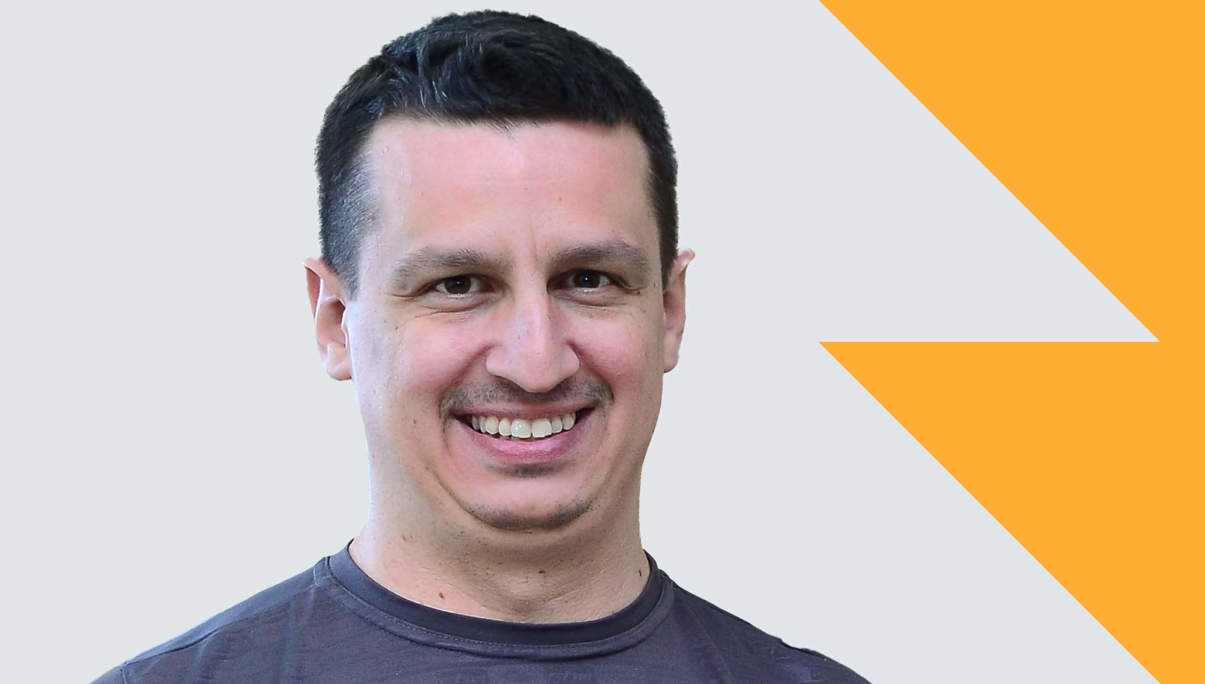
After many years in different companies, I decided to apply to DataArt, and for the past seven years, I’ve been part of the team as a Senior Java Developer. The first thing that impressed me was the people – positive, always ready to help. The atmosphere in the office was very welcoming, and this openness and teamwork have remained constant over the years. I’ve recommended the company to many of my friends and will keep doing so – simply because DataArt truly is a place that offers freedom, work-life balance, growth, and opportunities to gain new knowledge.
One of the things I value most is the freedom to choose the direction of my professional development and the projects I work on. This is how I deepened my interest in artificial intelligence – through lectures, courses, and webinars. At DataArt there is a genuine culture of learning and mentorship. You can always apply what you’ve learned to real projects and share it with less experienced colleagues.
Work-Life Balance
In IT, it’s easy to get lost in projects and deadlines. I’ve found balance by clearly separating work from personal life, because it’s important for me to dedicate time to my family and hobbies. This balance gives me energy and a fresh perspective when I return to coding. The corporate culture at DataArt, where personal time and people-first mindset are valued, helps a lot with this.
Small rituals, like morning walks or short breaks, help me maintain focus and productivity. I’ve realized that no matter how good a programmer you are, without balance, effectiveness and satisfaction inevitably decline.
Programming in the Age of AI
I often hear extreme predictions about the future of AI and programming, but I believe human creativity and judgment will never be replaced—instead, there will be a natural transformation. I’m convinced that integrating AI into daily development will be key and will change the way we build software.
I see opportunities for automating routine tasks, improving code quality, and speeding up development. This is both exciting and a big responsibility, as it requires critical thinking and ethics in the use of technology.
Looking Back
If I had to sum up what these seven years at DataArt have given me, it would be this: real growth comes when you have freedom, choice, and support. I’ve learned to step out of my comfort zone, to appreciate different points of view, and to trust the learning process, which never really stops.
And if I could give advice to my younger self, I’d say: “Don’t be afraid to make mistakes, don’t expect to know everything on day one, and grab every opportunity to learn from the people around you.” Oh, and maybe also: “Buy some Bitcoin while it’s still cheap. 🙂