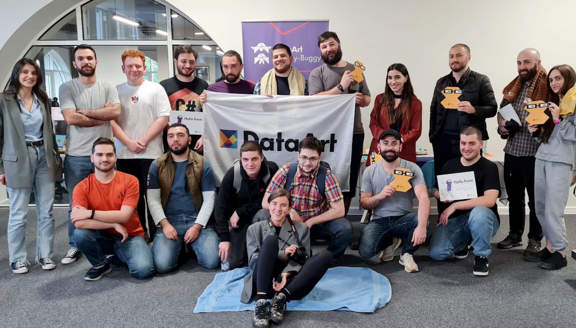

As we embark on this journey, we will share insights in a series of articles by Julia Yanzi, our new Diversity and Equity team leader and former lead of social impact initiatives at Johnson & Johnson and Samsung. In this first piece, Julia assesses DataArt's DEIB current status, unveils our manifesto, and offers actionable recommendations for organizations looking to implement DEIB programs. Join us to cultivate a culture where every voice is heard and valued.
Diversity is not just a buzzword or a trend. It is a fundamental aspect that drives innovation, creativity, and success. At the same time, I see DEIB not as a destination but as a journey where there is no “one-size-fits-all” approach, and we need to adjust programs, initiatives, and actions to the local context and the nature of each organization.
Talent has always been DataArt’s most valuable asset, and we have consistently regarded diversity as our strength. In 2023, DataArt formed a new DEIB group to foster innovation, creativity, and collaboration to reinforce this commitment further. It aims to create a culture where everyone can thrive and the unique perspectives and contributions are appreciated.
We've also released an official Statement on Diversity and Inclusion, outlining our goals and commitments.
This year, we also assessed our strengths and areas for improvement in this regard. It is a journey with a “test and learn” approach and perspective.
If you are also thinking about implementing DEIB programs in your organization, I’m happy to share some tips on how to start. I would recommend the following four steps:
- Assess: have a clear snapshot of where your organization is. Analyze workforce/HR demographics, employee feedback, processes, policies, and historical data. Take into consideration your organization’s values and principles. Perform a SWOT (Strengths, Weaknesses, Opportunities, Threats) or similar analysis to identify internal and external factors influencing DEIB efforts—benchmark with other organizations similar to yours.
- Plan: define goals, engage key internal stakeholders, and define strategic initiatives. It is essential to prioritize as we cannot do it all simultaneously.
- Take action: create a committee, board, or similar structure that can help you in the decision-making process and champion the implementation of DEIB initiatives. Generate the necessary governance of the group and monitor. Focus on education and the generation of internal awareness.
- Evaluate and reassess: Implement regular data collection processes to monitor progress and identify areas for improvement. Analyze the collected data regularly (for example, quarterly) to assess the impact of DEIB initiatives. Use feedback and all the tools available to reassess your original plan and adapt accordingly.
These four steps look simple, but if you have ever managed a project, you know it is challenging in many ways. Having in mind that, I would like to share four pieces of advice:
- No bulletproof plan exists: every organization has different values and cultures, so your DEIB plan should consider that. There is no universal recipe for success.
- Be a champion, an advocate, and an enthusiast: DEIB is an exciting subject, but sometimes you can find many obstacles or challenges within organizations. The key to overcoming that is to keep your motivation high and create momentum by being a promoter at every step: participate in different meetings, different from your usual team, have conversations with colleagues, read articles, and share insights and success stories.
- Small but vital steps: At first, you will want to do everything, and, unfortunately, that is not possible if you have limited resources. We cannot run before we walk. The key is planning small milestones that help you create a solid program foundation.
- Communication: this is a challenge in most organizations. A boss once told me that “something that is not properly communicated does not exist.” A bit harsh, but true. Organizations have a ton of priorities; you must make sure you communicate DEIB commitment, goals, and programs not only externally but also internally.
Following these steps and recommendations at DataArt, we have established a community of individuals passionate about advancing DEIB initiatives within the company. This year's focus will be generational diversity, disabilities, and gender equality. We expect to gauge and increase awareness in diversity-related topics, review some of our processes, and generate the tools (policies, guidelines, educational program materials, surveys, communities, etc.) we need to ensure everybody feels they belong.
In our upcoming articles, we'll delve into our goals, kicking things off with a closer look at Gender in IT. We'll bust some myths and pave the way for more women to join the ranks of technological companies. Stay with us for an enlightening journey into the world of diversity in tech!