1. Python Programming for the Absolute Beginner by Michael Dawson
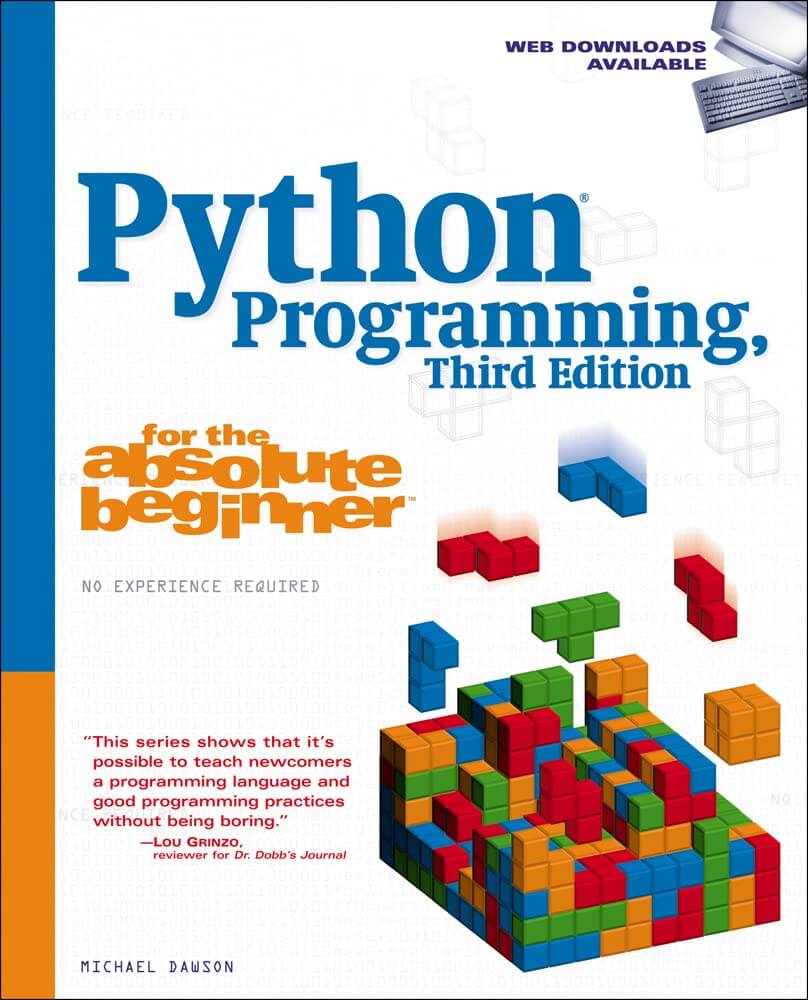
As the title suggests, this book is built for readers with no previous programming experience. The third edition includes updated content and expanded coverage for modern Python features.
It starts with core fundamentals and gradually introduces more complex topics, including data structures, file handling, exceptions, object-oriented programming, and graphics. Visual examples and step-by-step explanations keep the learning curve manageable. By the end, you'll be able to build your own games from scratch using Python!
Best for: True beginners who want a structured, confidence-building introduction.
2. Python Crash Course by Eric Matthes
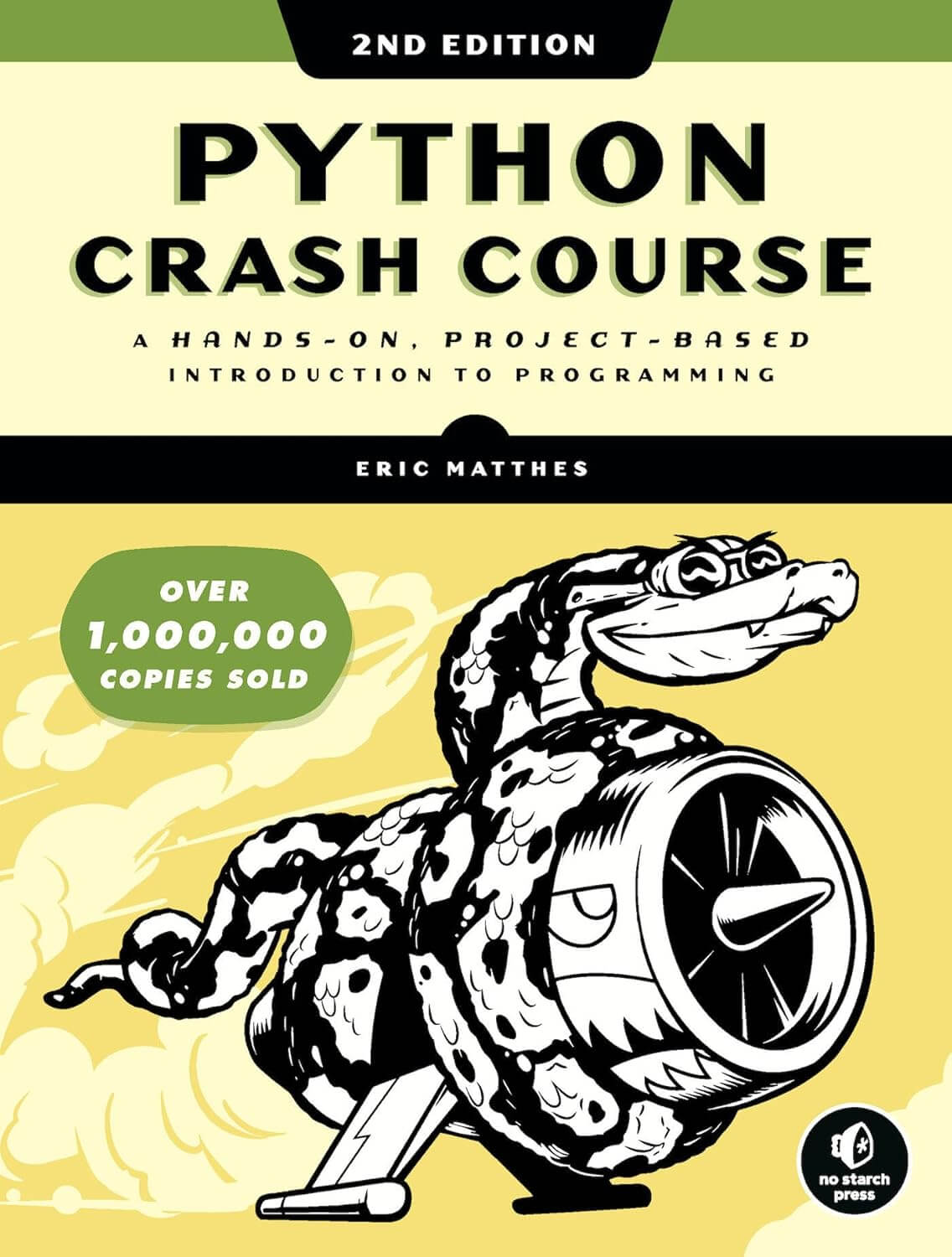
This book offers a hands-on introduction to Python for beginners eager to start writing useful code quickly.
Along the way, you'll work with libraries and tools such as Pygame, Matplotlib, Plotly, and Django. Core concepts, including variables, lists, classes, and loops, are covered early through engaging exercises. Later chapters guide you through building interactive programs, testing code, and developing a 2D arcade-style Space Invaders game.
Best for: Learners who want to move fast and learn through building.
3. Automate The Boring Stuff With Python by Al Sweigart
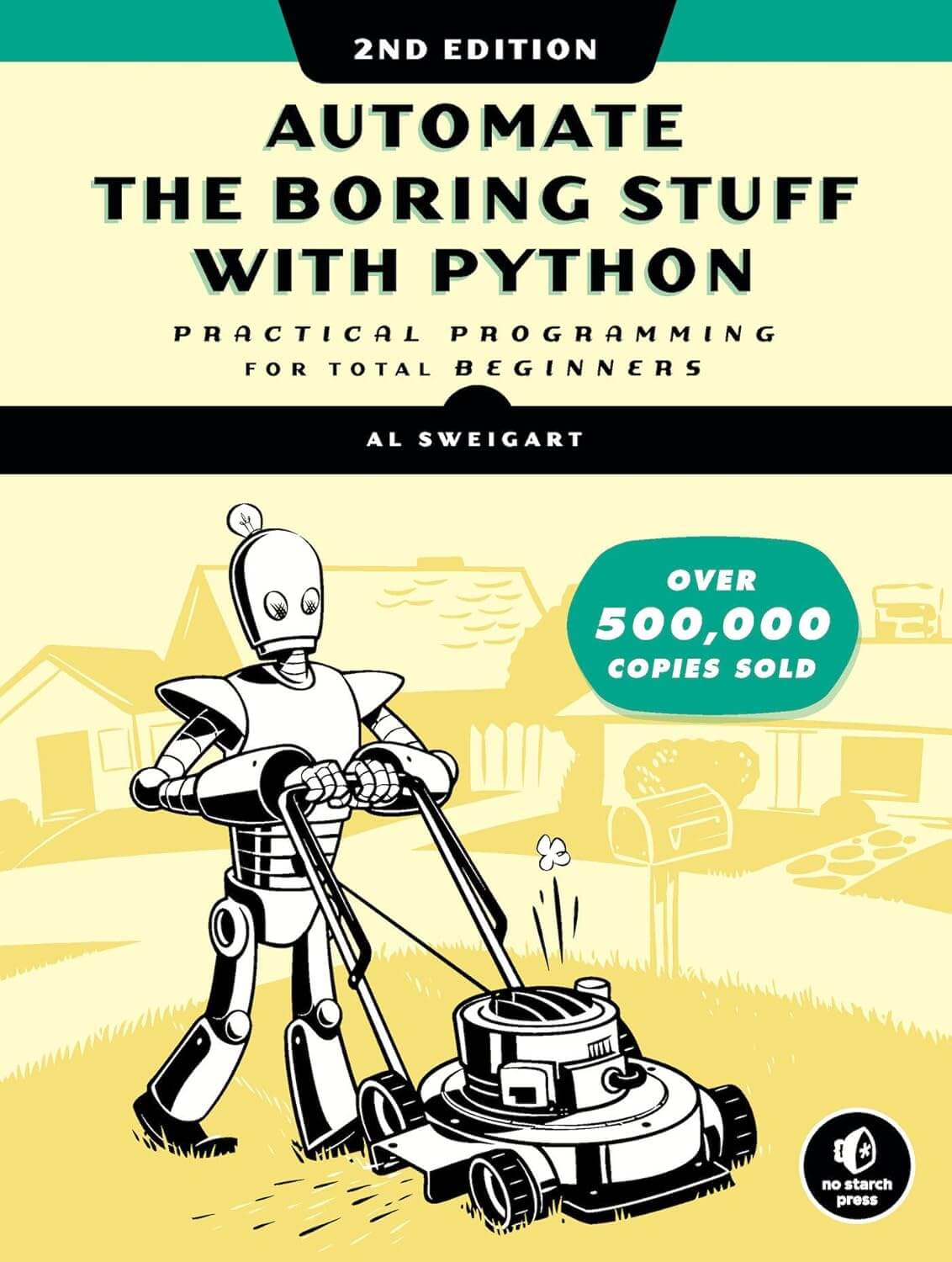
This best-selling book teaches Python 3 through practical examples, making it ideal for beginners.
You'll learn how to write programs that automate repetitive tasks, saving hours of manual work like file processing, data manipulation, and basic web interactions. Once you grasp the basics, you'll be able to build scripts that handle useful automation jobs with ease.
The book covers both basic and advanced data structures. Each chapter includes an introduction, a case study, tips, key library methods, and exercises to reinforce learning.
Best for: Beginners motivated by immediate, real-world use cases.
4. Head-First Python by Paul Barry
Known for its visual and interactive style, this book is a popular choice for quickly learning Python basics, including built-in functions and data structures. It covers the basics first, then builds toward more advanced topics, such as creating web applications, handling exceptions, and others.
Author Paul Barry, a lecturer at the Institute of Technology in Carlow, Ireland, brings over a decade of IT industry experience to his teaching, which is evident in his clear explanations and approachable tone.
Best for: Visual learners who prefer a less traditional textbook format.
5. Learn Python the Hard Way by Zed Shaw
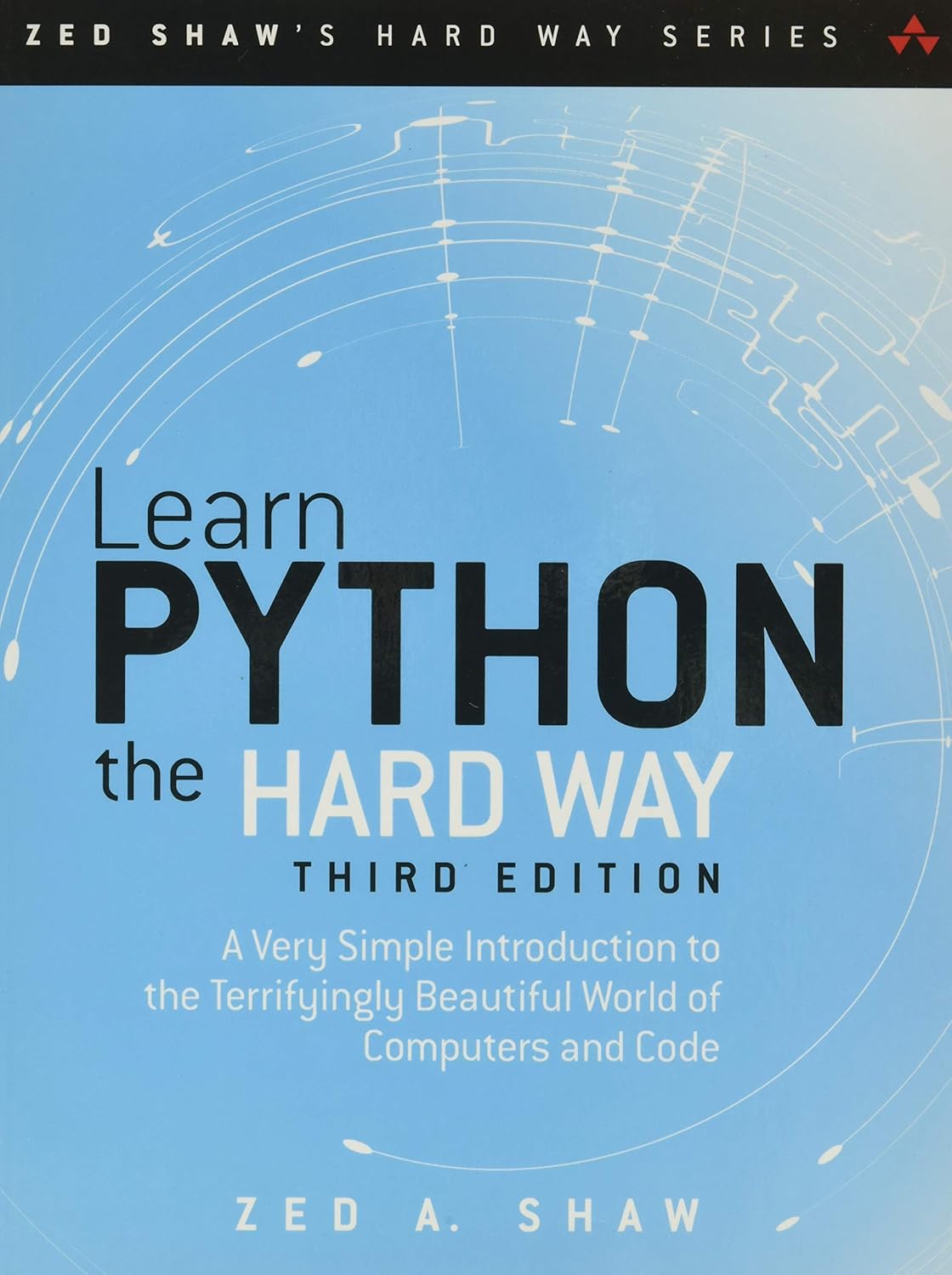
This book takes an exercise-driven approach, covering key topics like organizing code, math, variables, loops, logic, packaging, automated testing, and game development.
Guided through 52 exercises designed to be typed out manually, you’ll learn by doing and correcting your own mistakes. You'll gain a solid understanding of how programs work, learn how to read and write code, and develop effective debugging skills.
An additional free support course is available through the author’s website.
Best for: Learners who prefer repetition and learning through trial and error.
Conclusion
Each of these five books offers practical ways to learn Python, each from a different angle, whether through structured lessons, hands-on projects, automation tasks, or disciplined practice. Choosing the right one depends on how you learn best and what you want to build. Pick the one that fits your goals, stay consistent, and start coding!